
How to Price a Home to Sell: A Listing Agent's Guide to CMAs and Pricing Strategy
How to price a home to sell: build a defensible CMA, use the right pricing strategy, avoid the cost of overpricing, and win the seller's pricing conversation.

Pricing is the single highest-stakes decision a listing agent makes. Get it right and the home sells quickly at or above value. Price too high and it goes stale; price too low and your seller leaves money on the table. Knowing how to price a home to sell — building a defensible CMA and winning the pricing conversation — is a core craft, and this guide walks through both the analysis and the seller psychology.
Why Pricing Is the Highest-Stakes Decision You Make
Every listing has a Golden Window — the first two to three weeks on the market, when interest and showing traffic peak. Price it right and you capture that surge of motivated buyers. Overprice it and you burn the window; by the time you reduce, the listing has gone stale and buyers assume something's wrong. Pricing isn't just math — it's timing, and the clock starts the day you go live. (This goes deeper on the pricing piece of a listing presentation that wins.)
How to Build a Defensible CMA, Step by Step
A comparative market analysis is your evidence. Build it so it holds up under a skeptical seller's questions.
- Study the subject property. Walk it. Note square footage, beds/baths, age, lot, condition, and upgrades — the things an algorithm can't see.
- Pull strong comparable sales. Four to six recent sold comps (never asking prices), closed in the last three to six months, within about a quarter to half a mile, similar in size (within ~10% square footage), age, and style. Layer in active listings (your competition) and expireds (proof of the overpricing ceiling).
- Make adjustments. Add or subtract dollar value for the differences — an extra bath, a garage, an updated kitchen, a better lot. Isolating one-variable comps lets you derive each adjustment defensibly.
- Sanity-check with price per square foot. Use average comp PPSF as a cross-check, not the primary method.
- Present a value range, not a single number — it reflects real buyer variation and gives you room for strategy.
Pricing Strategies That Actually Move a Listing
- Price at or just below market to drive competition. In a demand market, listing slightly under recent comps can flood showings and push offers above asking through multiple offers. Watch pending sales, not just closed, for the freshest signal.
- Mind price banding. Buyers search in brackets. Listing at $505,000 hides the home from everyone with a "$500,000 max" filter — pricing at $499,900 keeps you in the net.
- Treat the first two weeks as the launch. Price to maximize activity in the Golden Window, when it matters most.
The Real Cost of Overpricing
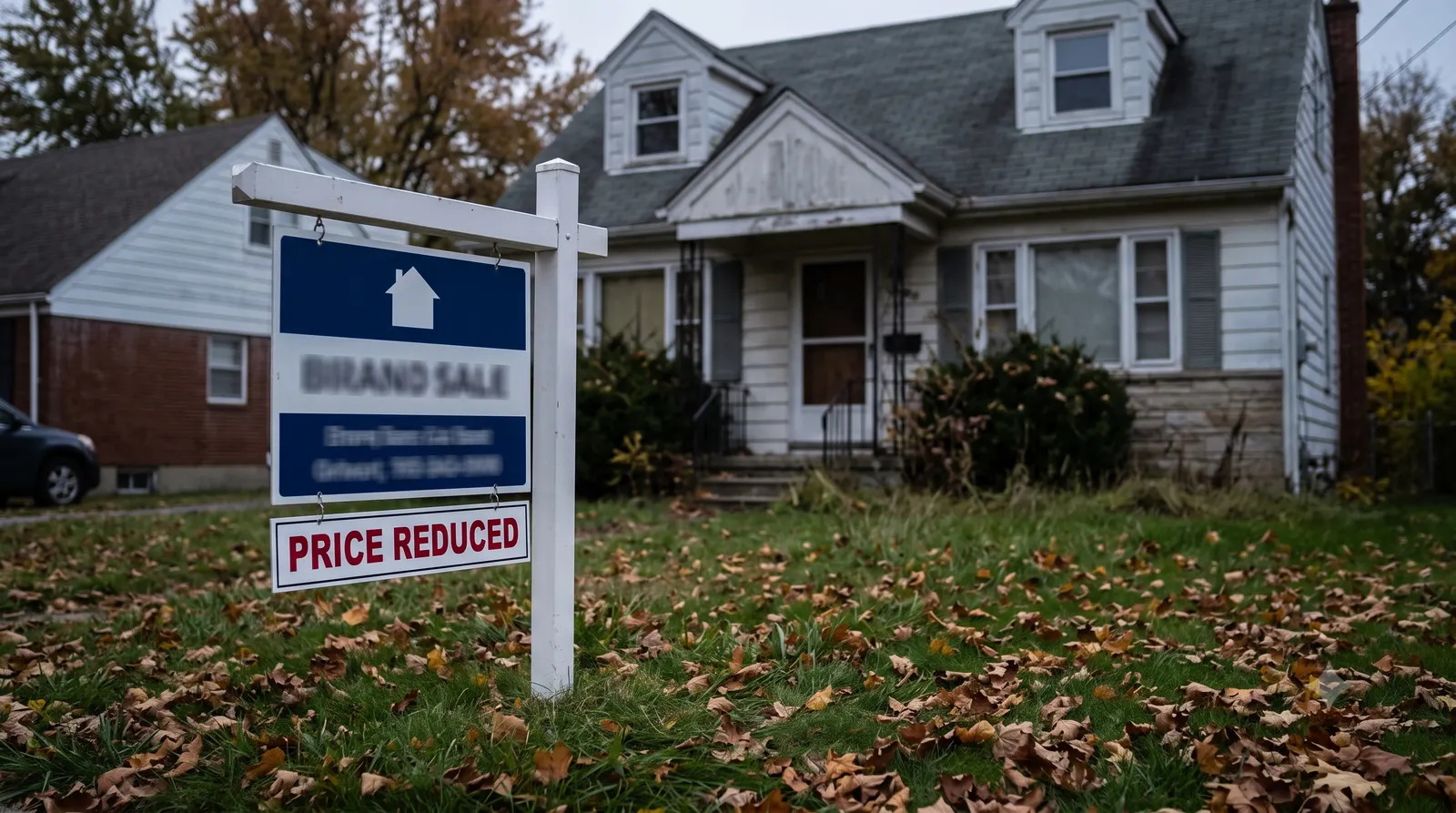
Overpricing feels safe to a seller ("we can always come down") but it's the most expensive mistake in the business. A high launch price wastes the Golden Window, and after about 30 days on the market a listing picks up a stale stigma — buyers and their agents write it off as a non-motivated seller. The pattern is predictable: overpricing leads to longer days on market, which leads to a bigger eventual price cut, which leads to a lower final net than pricing right would have. Nearly every listing that sits for 60-plus days started overpriced. (NAR's guidance on navigating a price reduction is worth reading for the seller conversation.)
CMA vs. Appraisal vs. Zestimate
Sellers conflate these constantly, so be ready to explain the difference:
- CMA — your strategic list-price recommendation, based on comps, condition, and local judgment.
- Appraisal — a licensed appraiser's value for the lender, to protect the loan.
- AVM / Zestimate — an algorithm's estimate from public data. Zillow itself reports a Zestimate median error of roughly 1.94% for on-market homes and about 7% for off-market homes — and it never walks the property, so it can't see condition, upgrades, or curb appeal.
That last gap is exactly what you supply. When a seller says "but Zillow says it's worth more," you calmly pivot to your CMA and the condition-and-comp adjustments the algorithm can't make.
Winning the Pricing Conversation With an Overpricing Seller
The goal is data, not debate. A few moves that work:
- Lead with your integrity: "I'd rather lose this listing today than overprice you and watch it expire in 90 days. Can we walk through the data together?"
- Explain the Golden Window so they understand why the first two weeks are precious.
- Reframe buyer perception: an overpriced launch signals "non-motivated seller" to every showing agent.
- Offer a test-price with a trigger: agree to a short window at a higher number with a pre-agreed reduction tied to showing and feedback data. That turns an argument into a plan.

Price It Right — Then Prove the Value That Justifies It
Pricing wins the listing; delivering is how you justify that price and actually achieve it. Once the number is set, your job is to market and manage the home so it sells for what your CMA promised. This is the honest place Deedo.ai fits — not in setting the price (it doesn't run CMAs or value homes), but in backing it up: the AI Concierge fielding buyer and showing questions 24/7, digital check-ins capturing real engagement, and property-scoped multi-party chat keeping everyone aligned. It's how you show a seller you'll do the work to hit the price you recommended. (See the operational side in workflow automation for listings.)
Frequently Asked Questions
How many comps do you need for an accurate CMA?
Four to six strong, recent sold comps is the consensus — chosen for proximity, similar size, age, style, and condition, and adjusted for differences.
What's the difference between a CMA, an appraisal, and a Zestimate?
A CMA is the agent's strategic list price, an appraisal is the lender's value for the loan, and a Zestimate is an algorithm's estimate from public data that never sees the home's condition.
How much does overpricing actually cost the seller?
Often more than pricing right, once you account for a wasted Golden Window, a stale-listing stigma, extra days on market, and the larger price cut that usually follows.
Should you price just below a round number?
Often yes — pricing at $499,900 instead of $505,000 keeps the home visible to buyers whose search cap is $500,000, widening your buyer pool.
Is the Zestimate accurate?
It's a starting estimate, not a valuation. Zillow reports low median error for on-market homes but much higher for off-market ones, and it can't account for condition or upgrades — which is why a CMA is more reliable.
Price to Sell, Then Deliver
The best listing agents pair a defensible CMA with the confidence to have an honest pricing conversation — and then prove, through how they market and manage the home, that the price was right. Nail all three and your listings sell faster and closer to (or above) target.
See how the whole Deedo system works end to end, or read a real estate listing presentation that wins.