
Real Estate Farming: How to Dominate a Neighborhood and Win Consistent Listings
Real estate farming done right: how to choose a farm area with the turnover-rate formula, the marketing cadence that works, costs, timeline, and ROI.
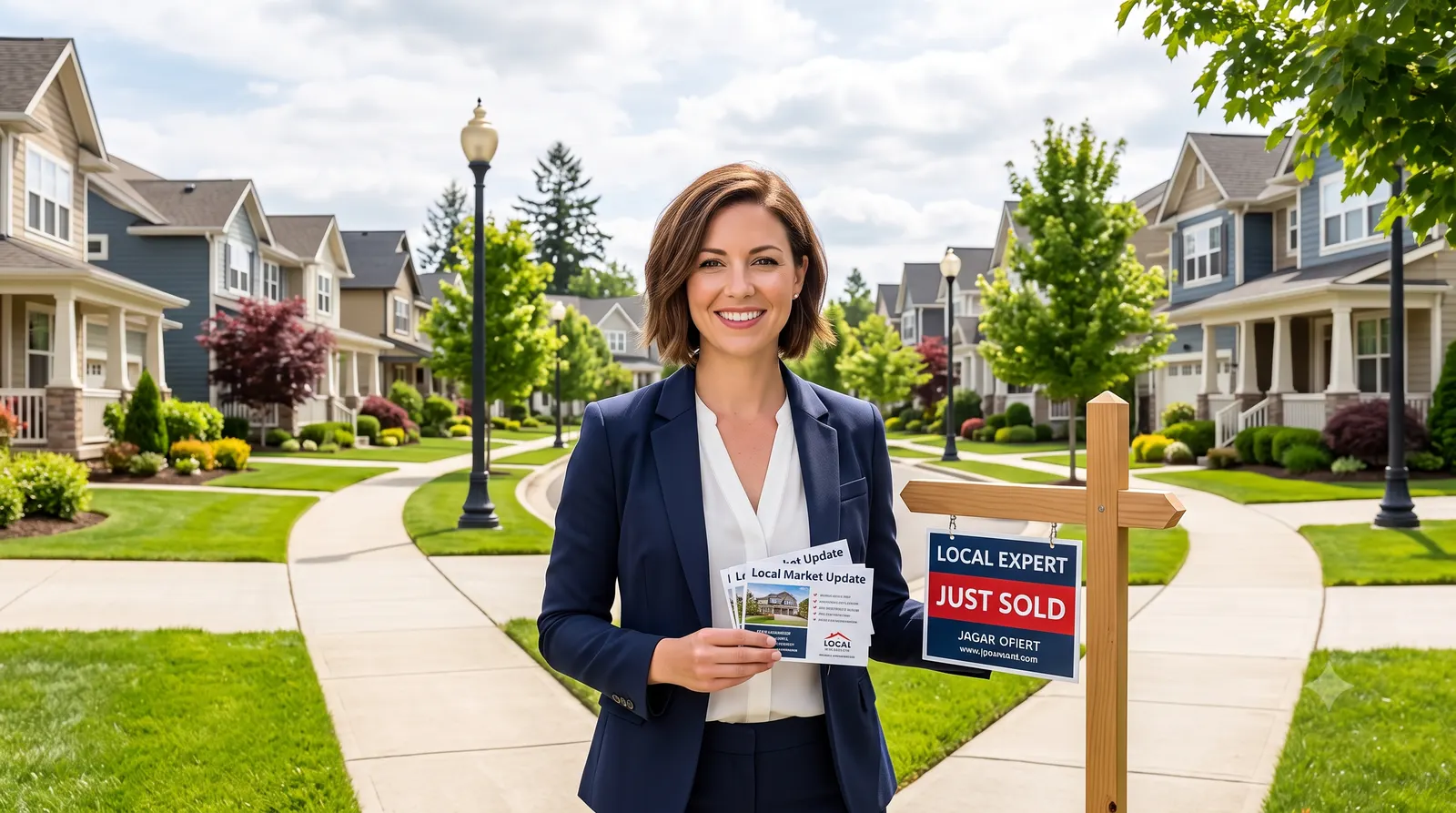
Real estate farming — becoming the go-to agent for a specific neighborhood — is one of the most reliable ways to build a predictable listing pipeline. Done right, a single well-chosen farm can produce steady inventory year after year. Done wrong, it's an expensive way to mail postcards into a void. The difference comes down to picking the right area, committing to a consistent cadence, and having the patience to let it compound. Here's the whole playbook.
What Geographic Farming Really Is
Farming means concentrating your marketing on one defined area until you own the mindshare there — the agent neighbors think of first when they're ready to sell. It's a long game. Set the expectation now: meaningful results typically take about 12 months of consistent effort. Any listings you get in the first few months were usually already-ready sellers, not the true payoff of farming. If you can't commit to a year, don't start. (Farming is one channel within your broader lead generation strategy.)
How to Choose Your Farm: The Numbers That Decide Everything
This is where most agents go wrong — they farm where they live instead of where the math works. Run these numbers first.
Turnover rate (the #1 filter)
Turnover rate tells you how often homes actually sell in an area:
Turnover rate = (homes sold in the last 12 months ÷ total homes) × 100
So 48 sales in a 200-home neighborhood is a 24% turnover rate. Expert benchmarks vary, so treat this as a band rather than a magic number: 5% is the floor (below it, the investment rarely pays off), 6–10%+ is the sweet spot, and higher is better. The math matters enormously — a 9% turnover farm can produce roughly three times the business of a 3% farm.
Absorption, competition, and size
- Absorption rate — (homes sold in 12 months ÷ 12) ÷ active listings — tells you how fast inventory moves; higher means a stronger seller's market.
- Competition — avoid areas where a single agent already holds more than about 25% market share. Verify any "neighborhood expert" claims against MLS data.
- Size — sources genuinely disagree here, so weigh the trade-off: smaller farms (100–250 homes) are affordable to touch every month; larger ones (up to 500) offer more listing volume but cost more. Start small enough to reach every home monthly for a full year.

The Farming Marketing Mix and Cadence
Consistency beats intensity every time. A steady drumbeat across channels:
- Direct-mail postcards every 21–30 days — your backbone for brand recall and market data.
- Just Listed / Just Sold mailers triggered by activity — proof you're the one selling homes there.
- Door-knocking with something useful in hand (a market report), not a pitch.
- Digital and social — a neighborhood Facebook presence and geo-targeted ads synced to your mailings.
- Community events and sponsorships once or twice a year for in-person relationships.
Follow the 30/70 rule: about 30% market data, 70% genuine community value. Don't just paper the neighborhood with your face — give people a reason to keep your mail.
What Farming Costs and How Long Until It Pays Off
Budget realistically. A rule of thumb is about $1 per home per month, so a 300-home farm runs roughly $500/month; a fuller 250-home program with a neighborhood website and an event can approach $11,000/year. The ROI math is forgiving, though: a single $400,000 sale at 3% is $12,000 in gross commission — enough to recover a full year's investment with one listing. Expect that first real traction around the 12-month mark, and treat cost-per-listing benchmarks from mail vendors as illustrative, not gospel.
Becoming The Neighborhood Expert
The mail gets you noticed; being genuinely useful gets you hired. Know the local inventory, days on market, and price trends cold. Show up at community events. It compounds into referrals, too — NAR's data shows most sellers choose an agent they already know or were referred to. And make sure every interested neighbor who reaches out actually becomes a contact you can follow up with — which is exactly where most farming leaks.
Turn Farm Interest Into Listing Appointments
Farming generates the interest; capturing and converting it is a separate job — and the honest place Deedo.ai fits. Deedo isn't your mailing house; it's the capture, convert, and deliver layer that sits behind your farm:
- Validated digital capture at farm events, open houses, and off a QR code on your postcards — so a curious neighbor becomes a real, contactable lead instead of a conversation you never finish.
- An AI Concierge answering neighborhood questions 24/7 — "what did the house on Oak Street sell for?", "what's my home worth?" — grounded in real property data, reinforcing your local-expert positioning even while you sleep.
- A modern, organized experience that makes you the memorable agent, not the one whose postcard went straight to recycling.
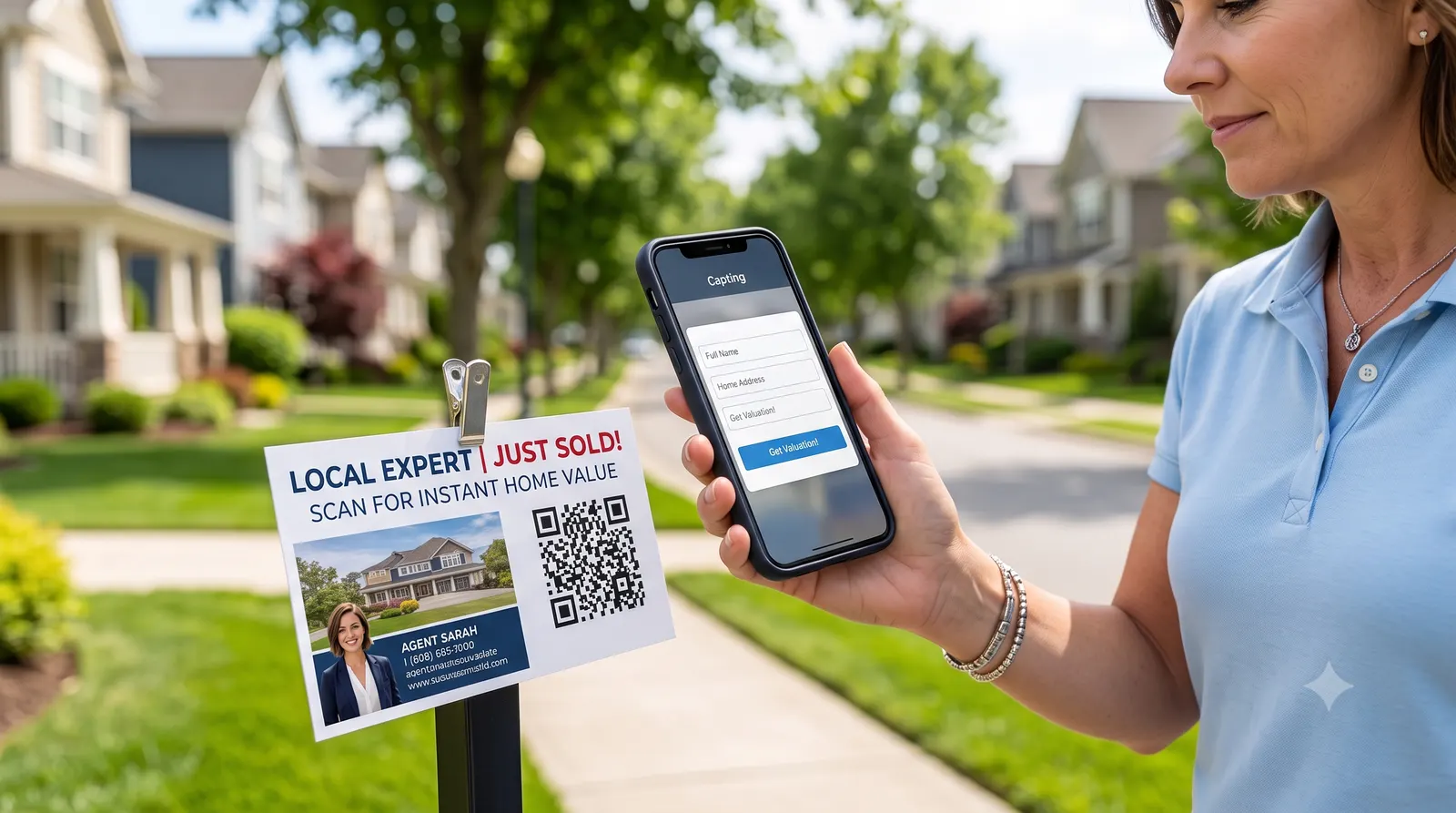
Pair Deedo with your direct mail and the neighbors who respond actually make it into your pipeline. (More on the capture mechanic in converting open-house visitors into leads, and the automation side in workflow automation for listings.)
Frequently Asked Questions
What is farming in real estate?
Concentrating your marketing on one defined neighborhood until you become the agent residents think of first when they sell — a long-term strategy for a predictable listing pipeline.
How do you choose a farm area?
Start with turnover rate (aim for roughly 6–10%+), check absorption rate and competition (avoid areas one agent dominates above ~25%), and pick a size you can market to consistently for a full year.
How long does farming take to generate listings?
Plan on about 12 months of consistent effort before meaningful traction. Early leads are usually already-ready sellers, not the true payoff.
How much does real estate farming cost?
Roughly $1 per home per month as a baseline — about $500/month for a 300-home farm — up to around $11,000/year for a fuller program with a website and events.
Can I farm a neighborhood another agent already works?
Yes, as long as no single agent holds more than about 25% market share. Consistency and a better experience can still win the area over time.
Plant the Seeds, Then Harvest Every Lead
Real estate farming rewards patience and consistency more than talent. Choose your area with the turnover math, commit to a year of steady, valuable contact, become the genuine local expert — and make sure every neighbor who responds gets captured and followed up. Do that and your farm becomes an annuity.
See how the whole Deedo system works end to end, or start with the real estate lead generation hub.