
How to Stage and Prepare a Home to Sell: A Listing Agent's Room-by-Room Playbook
How to stage a home to sell: the room-by-room prep checklist, what the NAR data really says about staging ROI, costs, and how to persuade a reluctant seller.
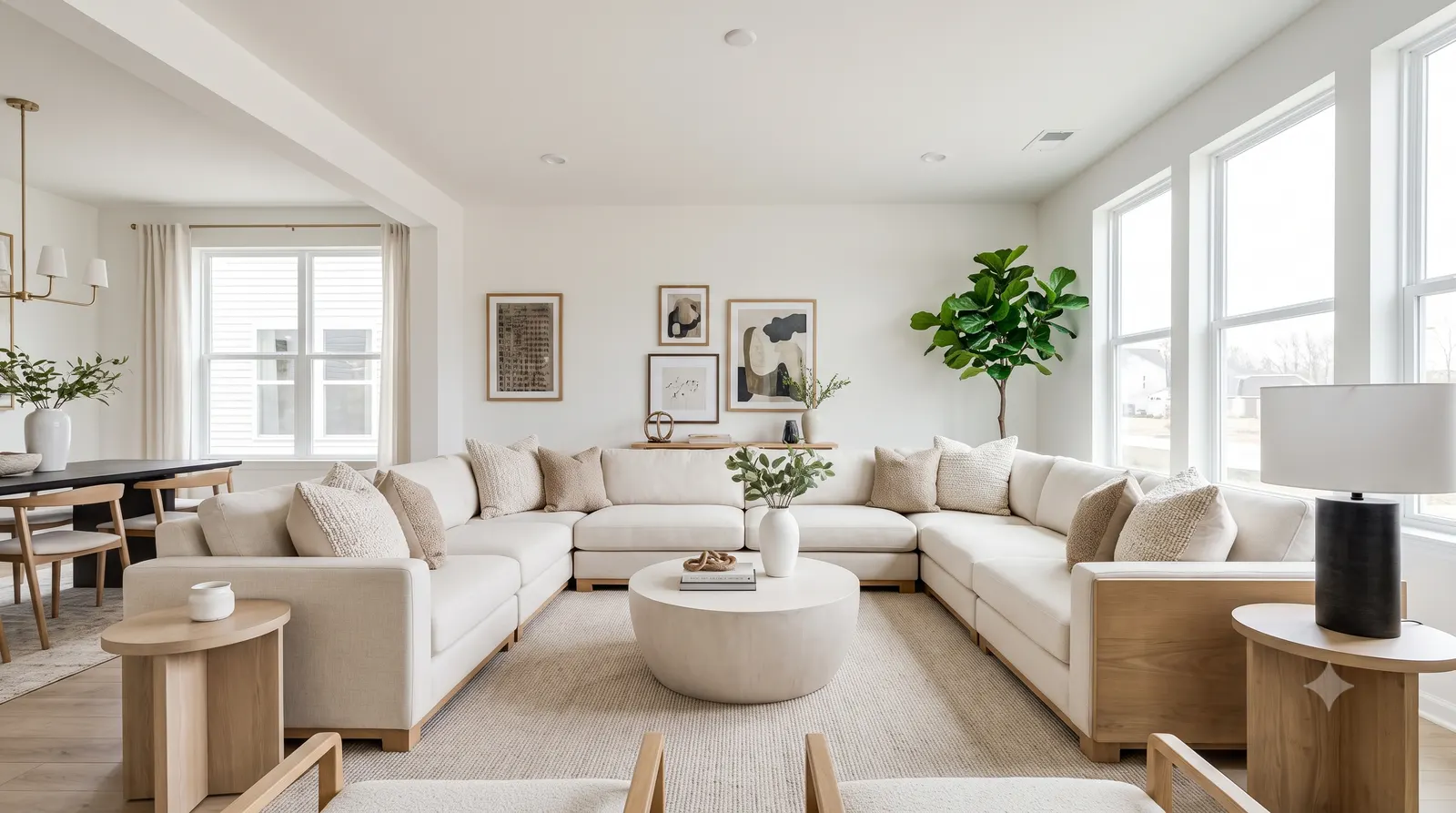
Preparing a home to sell is where listing agents earn trust before the marketing even begins. Well-staged homes photograph better, show better, and help buyers picture themselves living there. But sellers resist, budgets are tight, and the internet is full of wildly inflated staging claims. This guide gives you the honest data, a room-by-room prep checklist, real costs, and the scripts to bring a reluctant seller along — knowing how to stage a home to sell is a core listing-agent skill.
Does Staging Actually Work? What the NAR Data Says
Skip the hype and go to the source. NAR's Profile of Home Staging reports measured, modest effects:
- Faster sales: about 49% of sellers' agents said staging reduced a home's time on the market.
- Higher offers: roughly 29% of sellers' agents saw a 1–10% increase in the dollar value buyers offered on staged homes.
- Buyer psychology: 83% of buyers' agents said staging makes it easier for buyers to visualize the property as their future home.
You'll see staging companies claim homes "sell three times faster" or for "20% more." Treat those as self-interested marketing, not fact — NAR's more grounded numbers are the ones to bring to a seller, because they hold up.
The Room-by-Room Prep and Staging Checklist
Staging sits on top of good prep. Do the universal work first, then focus your energy on the rooms that move the needle.
Universal prep (every home, first)
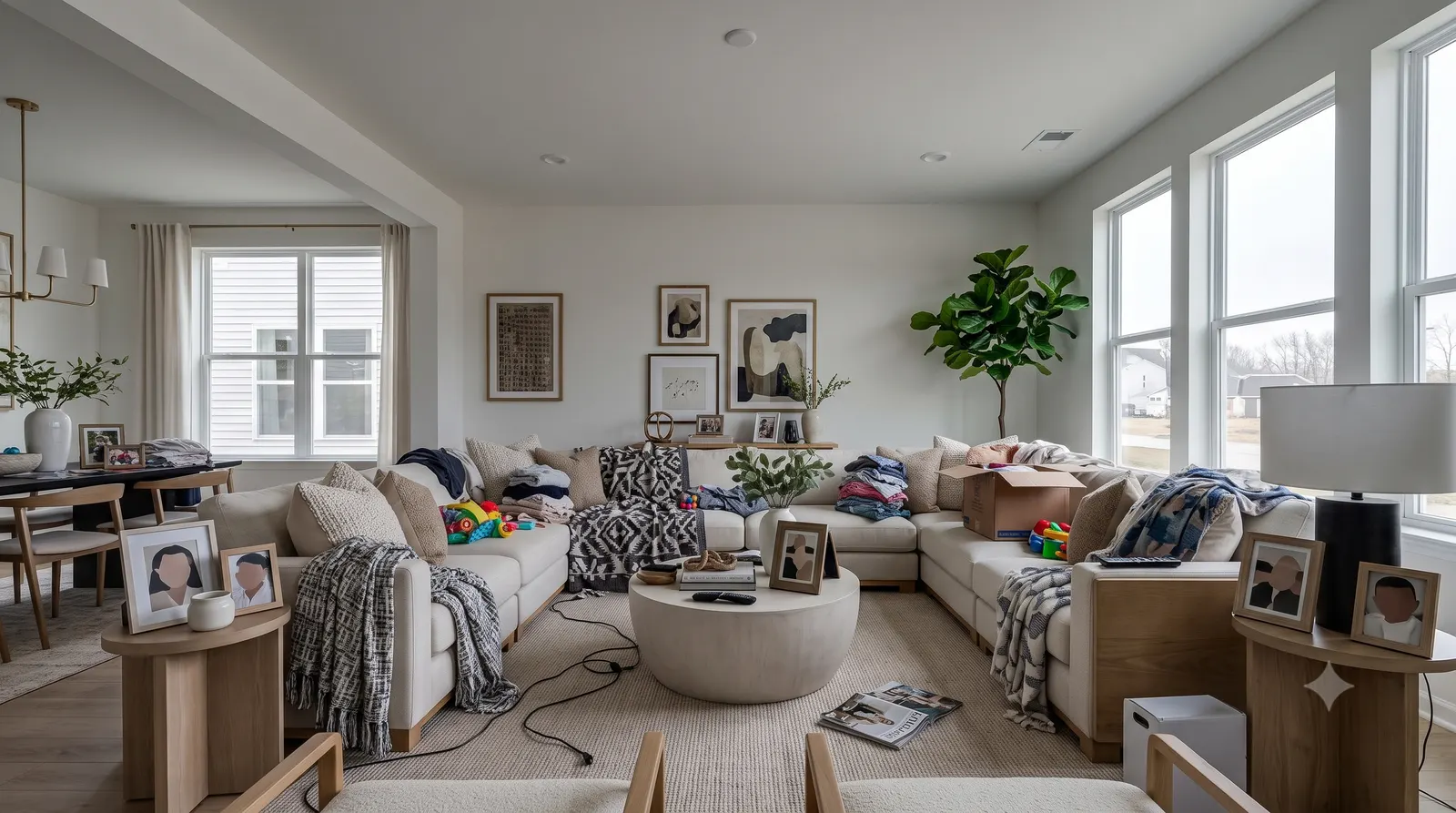
- Declutter — remove around half of everything; keep closets no more than half-full to signal storage space.
- Depersonalize — take down family photos, kids' art, collections, and anything political or religious so buyers see themselves, not the seller.
- Deep clean — windows, baseboards, grout, carpets; keep kitchen and bath surfaces nearly bare.
- Make small repairs — leaky faucets, sticking doors, chipped paint, and every burnt-out bulb (standardize to warm-white).
- Neutralize — repaint bold walls in soft neutrals.
- Maximize light — raise wattage, open blinds, and add mirrors to bounce light in dark rooms.
The rooms that matter most
Per NAR's data, prioritize in this order: the living room (staged by 91% of agents — clear traffic flow, hide cords, add warmth), the primary bedroom (hotel-style bed, clear nightstands, half-full closet), the kitchen (bare counters, appliances stored away, fresh greenery over fake fruit), and the dining room (one simple, intentional place setting). Don't forget curb appeal — a clean doormat, a single planter, trimmed landscaping, and a fresh front door are the first thing every buyer sees.
What Staging Costs — and When Virtual Staging Makes Sense
Costs vary widely, so give sellers options:
- Consultation only: roughly $150–$600 — often enough to guide a motivated seller doing the work themselves.
- Full-house staging: NAR puts the median around $1,500 through a professional service (closer to $500 when the agent handles it); occupied-home averages run higher.
- Vacant homes: furniture rental typically runs $500–$600 per room per month.
- Virtual staging: around $35 per photo — roughly a tenth of physical staging — great for online photos of vacant homes.
One compliance note for licensed agents: if virtual staging materially alters the property (not just adds furniture), it must be disclosed. Don't let a virtually renovated photo mislead buyers.
How to Persuade a Reluctant Seller
Sellers are emotionally attached, so lead with evidence, not opinion:
- Show, don't tell. Photograph the home from the street and the front door so the seller sees what a buyer (and the camera) sees.
- Reframe the home as a product. The goal is a blank canvas buyers can project themselves onto — not a reflection of the seller's taste.
- Hand them the NAR data. "Half of agents see staged homes sell faster" defuses emotion better than any opinion.
- Prioritize by ROI. On a tight budget, do only curb appeal, the living room, the primary bedroom, and the kitchen.
- Offer the cheap path. A consultation or virtual staging is the "yes, but affordable" option.
- Show the cost of inaction. Pull comps for nearby listings that skipped prep and sat on the market.
This is exactly the kind of data-driven credibility that strengthens a listing presentation that wins, and it pairs directly with how you price the home.
After It's Prepped: Market and Manage the Listing
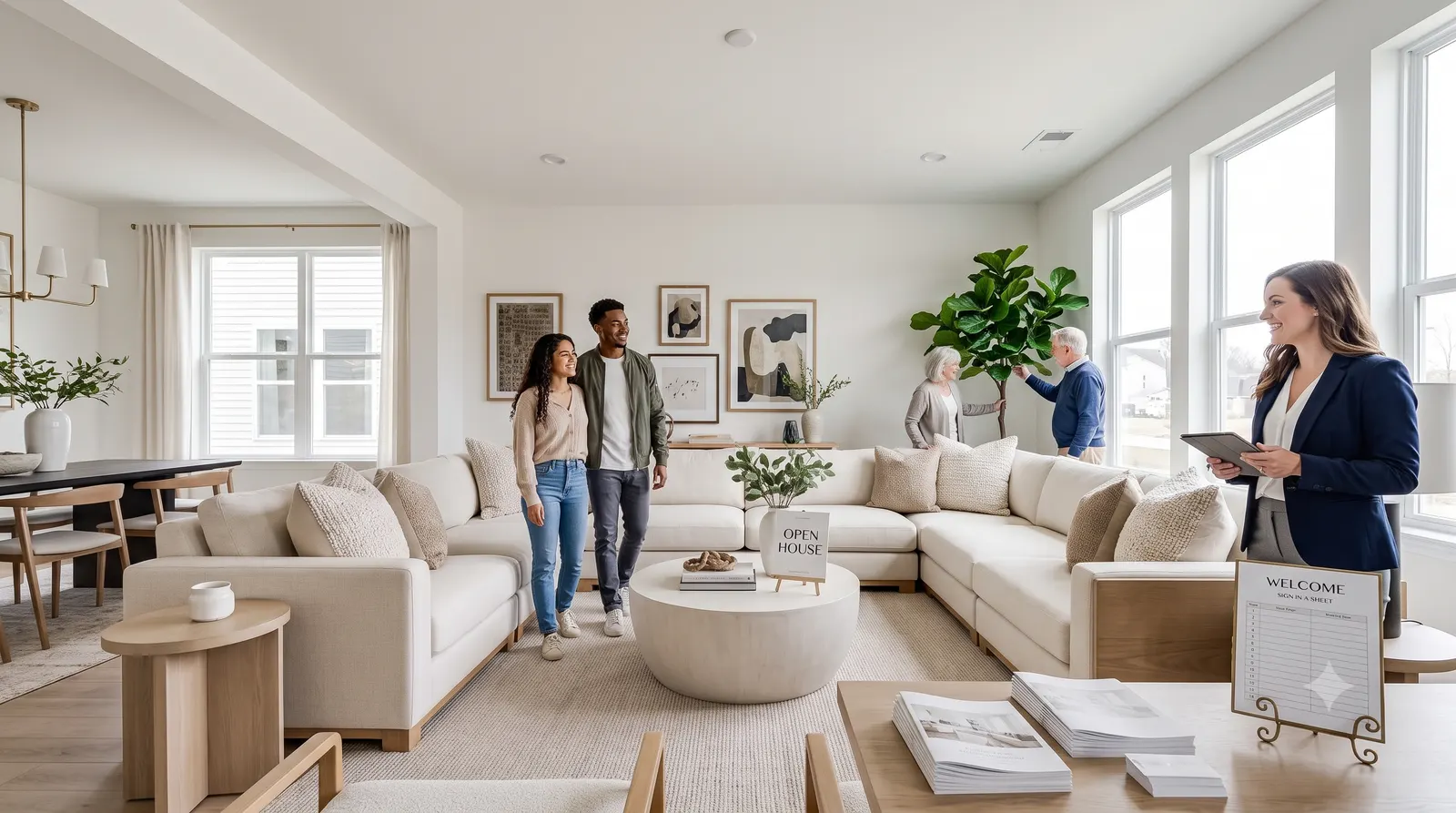
Staging gets the home camera-ready — but the work isn't done when the sign goes up. Once your freshly-prepped listing is live, it has to be marketed and managed so every bit of that effort pays off. That's the honest place Deedo.ai fits: it doesn't stage homes, but its AI Concierge answers buyer questions about the home around the clock, digital open-house check-ins capture every visitor, and property-scoped chat keeps you, the seller, and interested buyers in one thread. A beautifully staged home still needs every lead followed up — see converting open-house visitors into leads.
Frequently Asked Questions
Does staging really help a house sell?
Yes. Per NAR, about half of sellers' agents saw staging reduce time on the market, and roughly 29% saw a 1–10% bump in offer value.
How much does home staging cost?
A consultation runs about $150–$600, full-house staging has a NAR median near $1,500, and virtual staging is roughly $35 per photo.
What rooms should you stage first?
The living room, primary bedroom, kitchen, and dining room — plus curb appeal. Those are the highest-impact spaces per NAR's data.
Is virtual staging allowed?
Yes, and it's far cheaper, but if it materially alters the property it must be disclosed to buyers.
What's the difference between staging and decluttering?
Decluttering, cleaning, and repairs are the prerequisite prep; staging adds intentional styling on top to help buyers visualize living there.
Prep to Impress, Then Market to Sell
Great prep is one of the highest-ROI, lowest-cost things you can do for a listing — and one of the easiest ways to prove your value to a seller. Lead with honest data, work the rooms that matter, offer budget-friendly options, and then make sure the show-ready home gets marketed and every lead followed up.
See how the whole Deedo system works end to end, or read how to price a home to sell.